Investment portfolio advice meaning
What Is Portfolio Advice?
Portfolio advice refers to tailored strategies for asset allocation and management, designed to help you maximize the likelihood of achieving your financial goals within a defined risk range. It focuses on which assets to buy, in what proportions, and when to review or adjust your holdings.
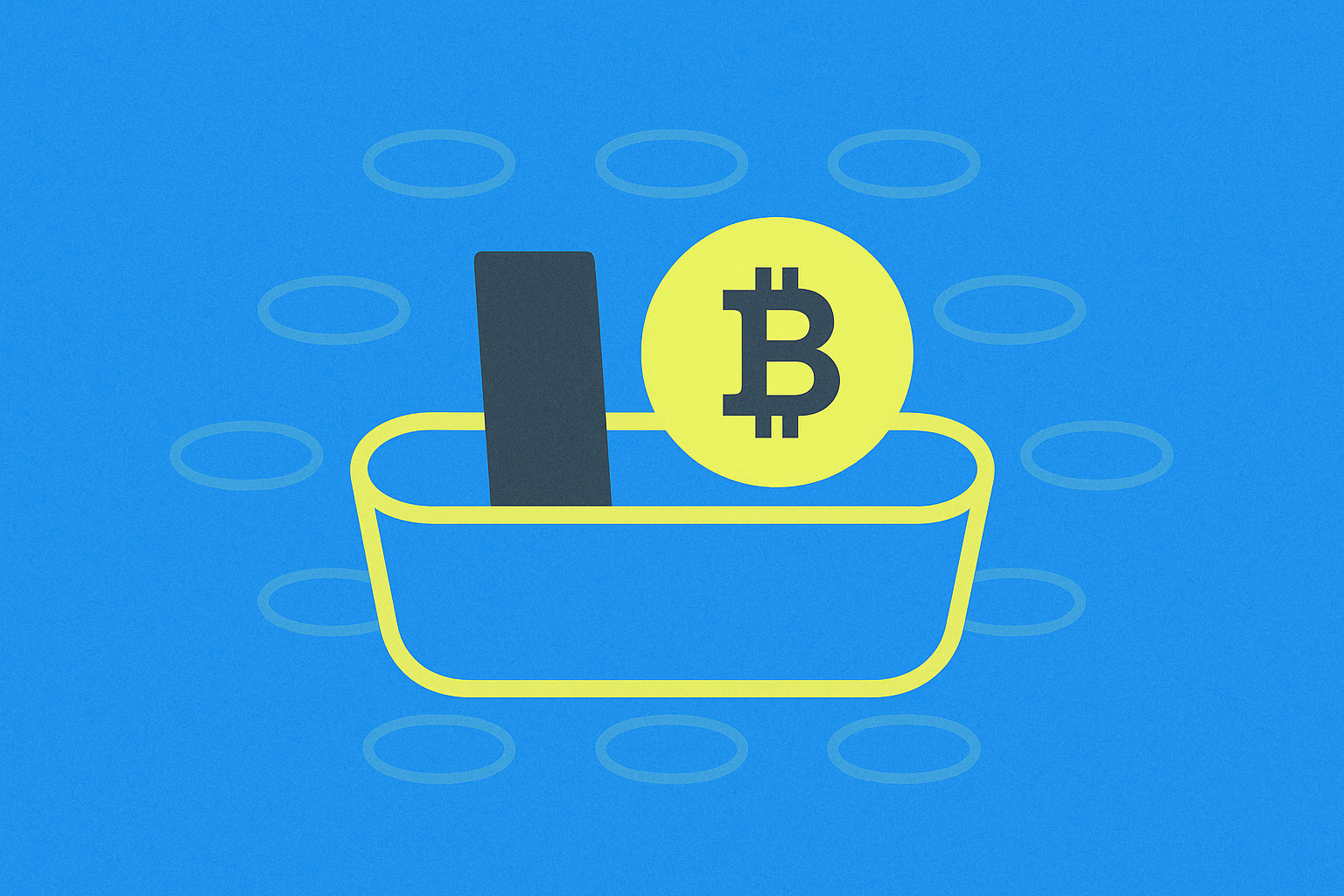
A "portfolio" is essentially a basket containing different asset types such as cash, bonds, stocks, and crypto assets. Combining these assets aims to diversify and reduce the risk associated with any single investment. Closely related is "asset allocation", which is the process of deciding how much capital to assign to each asset class.
Why Is Portfolio Advice Important?
Portfolio advice matters because it provides structure and discipline for your investments, aligning returns and risk with your life objectives. Without a plan, it’s easy to make impulsive decisions—either investing too aggressively during market swings or panic selling during downturns.
In crypto markets, price volatility is typically higher. Portfolio advice can help you establish a "core and satellite" structure: the core comprises relatively stable assets, while the satellites involve higher-risk assets seeking additional returns. Clear guidelines for regular reviews and rebalancing help you avoid emotional decision-making.
How Does Portfolio Advice Work?
The principle behind portfolio advice is diversification and hedging. By holding assets that have low correlation with each other, you can reduce overall portfolio volatility and maintain your desired risk level through rebalancing.
"Correlation" describes whether two assets tend to rise and fall together. Think of it as sharing an umbrella—if both get wet together, correlation is high; if they react differently, correlation is low. Rebalancing is like pruning a garden: periodically trim back assets that have grown too fast and reinforce those lagging behind, keeping risk on target.
How Is Portfolio Advice Applied to Crypto Assets?
In crypto asset management, portfolio advice is often executed using a "core + satellite" structure: the core consists of major assets like Bitcoin and Ethereum, supplemented by stablecoins for cash management; the satellite portion includes sector tokens or new projects in smaller proportions.
A "stablecoin" is an electronic token pegged to a fiat currency (most commonly the US dollar), used to dampen portfolio volatility and serve as a cash reserve for transactions and investment. For example: 60% stablecoins (for cash management and opportunities), 30% major cryptocurrencies (for long-term holding), 10% sector tokens (for growth potential), with quarterly reviews and rebalancing.
How Do You Assess Risk and Correlation in Portfolio Advice?
When evaluating risk and correlation, consider both the potential overall drawdown and price fluctuations of your portfolio, as well as whether assets tend to move together. Estimate your maximum tolerable loss and psychological stress level.
"Volatility" is like the ups and downs on an EKG—higher volatility means more excitement and risk; "maximum drawdown" refers to the largest peak-to-trough decline, indicating the worst-case scenario. Correlation can be observed simply: major cryptocurrencies are usually highly correlated, while major coins and stablecoins show low correlation. Grouping highly correlated assets does not effectively diversify risk, while low-correlation combinations help smooth portfolio value.
How to Set Personal Goals and Timeframes in Portfolio Advice?
Begin by clarifying your objectives—such as making a large purchase in three years or long-term wealth appreciation—then match your timeline and risk profile accordingly.
Short-term goals require a higher proportion of cash and stable assets to avoid forced selling during downturns when you need liquidity. Long-term goals can accommodate a higher allocation to major crypto assets or equities, but always retain a cash cushion and rebalancing mechanism for risk control.
What Are the Practical Steps for Portfolio Advice?
Step 1: Assess your current situation. List total assets, liabilities, monthly cash flow, and emergency fund needs. Define your maximum tolerable drawdown and psychological limits.
Step 2: Set goals and timeframes. Divide objectives into short-, medium-, and long-term categories, assigning actionable schedules and review frequencies for each.
Step 3: Establish asset allocation. Decide proportions for stablecoins, major crypto assets, sector tokens, and traditional assets (like stocks or bonds), ensuring the core remains sufficiently stable.
Step 4: Create rebalancing rules. Choose monthly, quarterly, or annual check-ins; set deviation thresholds (e.g., rebalance if any asset drifts 5% from target), and implement with discipline rather than emotion.
Step 5: Select execution tools. Use spot trading as the primary method; apply leverage cautiously. Use limit orders to control execution price; consider flexible savings options for idle stablecoins to boost cash efficiency—while paying attention to liquidity and risk.
Step 6: Record and review. Regularly log performance, costs, and deviations; reflect on whether your portfolio still matches your goals and risk tolerance, adjusting allocations when necessary.
How to Apply Portfolio Advice on Gate Platform?
On Gate platform, portfolio advice can be implemented via spot trading and savings products, providing clear execution paths for rebalancing.
For example, you can set target allocations for BTC, ETH, and stablecoins within your spot account, using limit orders for staged buying. Allocate some USDT to Gate’s savings section for flexible or low-risk products to enhance cash efficiency. Set quarterly reminders to check allocation drift, then rebalance manually or via API strategies. When using savings or trading strategies, always review product terms, liquidity, and fees.
What Are Common Pitfalls and Risks in Portfolio Advice?
Common mistakes include assuming "owning more assets" equals diversification—when those assets are highly correlated, your portfolio will still move together. Ignoring rebalancing—believing that simply holding long-term is sufficient—can result in risk drifting far from your original intent. Over-concentrating on trending sectors so satellites outweigh the core makes portfolios fragile.
Key risks to monitor: platform/account security; trading fees and slippage; insufficient liquidity preventing execution at target prices; liquidation risk from using leverage or derivatives; strategy/counterparty risks with savings products; tax and compliance requirements. All financial operations carry loss potential—perform stress tests and reserve emergency funds before acting.
What Are the Key Takeaways of Portfolio Advice?
The essence of portfolio advice is aligning goals, timeframes, and risk into an actionable rhythm of asset allocation and management—using diversification and rebalancing to keep risk in check while factoring in tools and costs. In crypto investing: manage cash with stablecoins, build a core of major assets, explore growth with small satellite allocations, use platform trading/savings features, record performance consistently, and review regularly—allowing you to steadily progress toward your goals despite uncertainty.
FAQ
Is the 60/40 Portfolio Right for Me?
The 60/40 portfolio refers to the classic allocation of 60% stocks + 40% bonds, suitable for moderate-risk long-term investors. Historically this mix has offered balanced performance—capturing stock market growth while reducing volatility with bonds. You should tailor this ratio based on age, investment horizon, and personal risk preference; younger investors may consider increasing their stock allocation.
How Much Crypto Assets Should Be in My Portfolio?
Crypto assets are highly volatile; beginners are advised to start with 5-10% of total holdings allocated to crypto as the high-risk segment of their portfolio. As you gain experience and better understand risk, you may gradually increase this to 15-20%. Importantly, crypto should not be your main investment but rather a supplement for diversification—so even if the crypto market crashes, your overall financial security remains intact.
How Do I Know If My Portfolio Allocation Is Too Aggressive?
Ask yourself if you can withstand worst-case scenarios. If your portfolio could drop 30-50% during a bear market, would you stay rational or panic sell? Use "stress testing" by simulating historical downturns to gauge your psychological resilience. Additionally, calculate the Sharpe ratio (return divided by risk); higher ratios indicate better risk-adjusted performance—a more scientific measure than just looking at returns alone.
How Often Should I Adjust My Portfolio?
Generally review your portfolio semi-annually or annually—avoid excessive adjustments. When any asset class drifts more than 5-10% from its target allocation, perform "rebalancing." For example: if your target is 50% stocks/50% bonds but it becomes 60% stocks/40% bonds after market movements, sell some stocks to top up bonds. Frequent adjustments increase trading costs and tax liability—potentially harming returns.
How Can Beginners Build a Basic Portfolio on Gate?
Start with a three-layer allocation: First layer—choose 2-3 major coins (like BTC, ETH), making up 50-60% of your portfolio as core holdings; second layer—select 4-5 medium-risk coins for 20-30%; third layer—allocate 10-20% to small-cap/high-risk tokens for learning purposes. On Gate, use the favorites feature to track these assets’ performance; regularly compare price changes to maintain balance and avoid over-concentration in any single token.
Related Articles

Gate Research: 2024 Cryptocurrency Market Review and 2025 Trend Forecast
Gate Research: BTC Breaks $100K Milestone, November Crypto Trading Volume Exceeds $10 Trillion For First Time