What is Shiba Inu Coin?
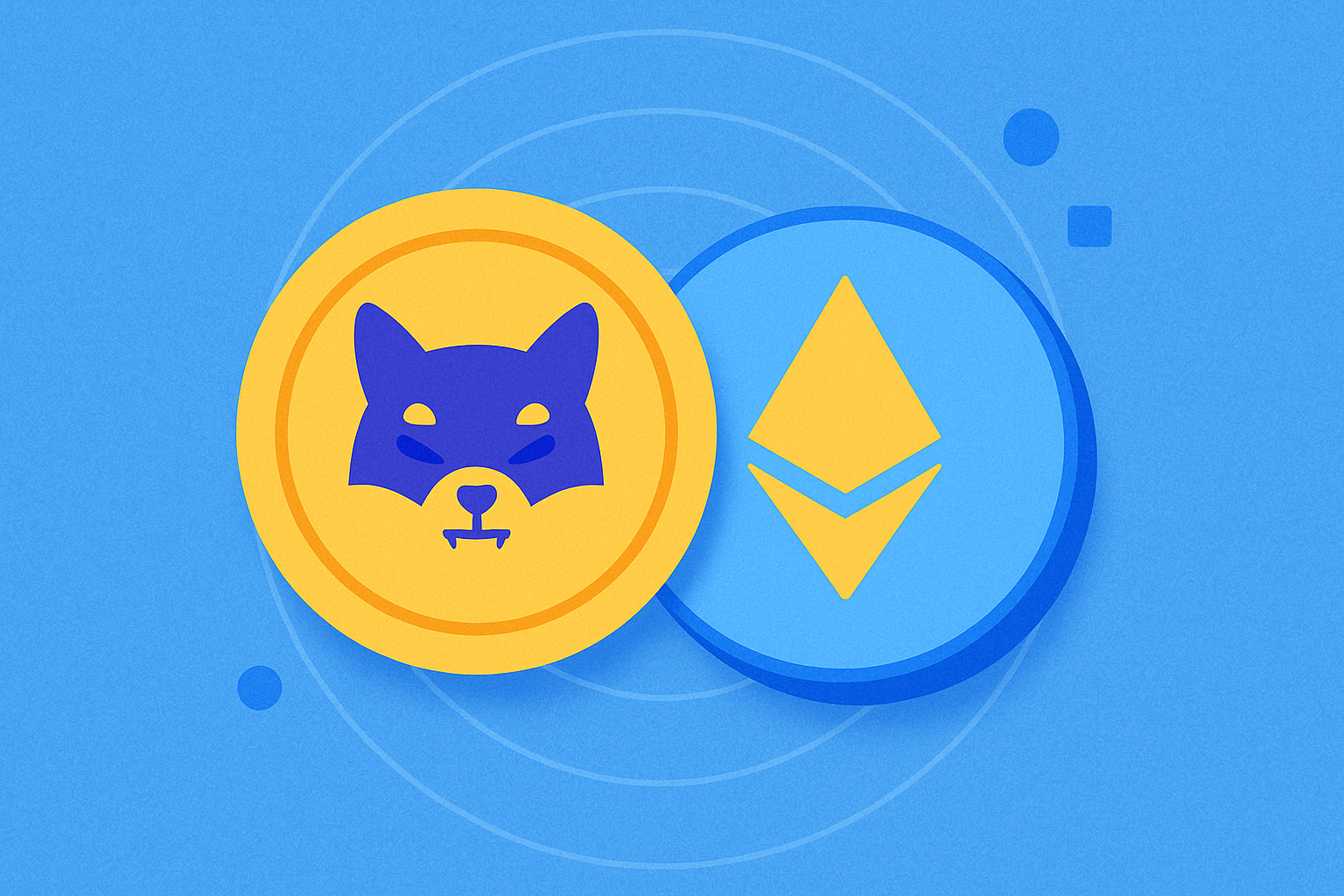
What Is Shiba Inu (SHIB)?
Shiba Inu refers to SHIB, the native token of the Shiba Inu project, which is an ERC-20 standard token on Ethereum. Rooted in community culture, SHIB is classified as a “meme coin,” yet its use cases have grown to include decentralized finance (DeFi) and payments.
In essence, SHIB is a digital asset that can be freely transferred on the Ethereum network and used in DeFi protocols. Its ecosystem development and token burning mechanism help boost scarcity and practical utility.
Current SHIB Price, Market Cap, and Circulating Supply
As of October 2024 (source: CoinMarketCap), SHIB’s price has generally remained range-bound, with its market cap ranking among the top crypto assets and a circulating supply close to the total issued amount. Because this data is over six months old, trends are emphasized: SHIB’s price fluctuates with overall market cycles, and community activity plus burning pace can influence short-term supply, demand, and sentiment.
Market cap is calculated as “token price × circulating supply,” serving as an approximate measure of project scale and market recognition. Circulating supply refers to the number of tokens freely tradable on the market, affected by issuance and burning. For beginners, it’s often more valuable to focus on long-term trends, supply changes, and ecosystem progress than on short-term price movements.
Who Created Shiba Inu (SHIB) and When?
Shiba Inu was launched in 2020 by a pseudonymous founder known as “Ryoshi,” with an emphasis on community-driven and decentralized development. As user numbers grew, the project launched its own decentralized exchange around 2021 and gradually built out an ecosystem spanning DeFi, NFTs, and Layer2 networks.
Since then, the community has iterated around goals like lowering transaction costs, improving speed, and expanding application scenarios to support broader use cases for SHIB.
How Does Shiba Inu (SHIB) Work?
SHIB is issued on Ethereum using the ERC-20 standard—a common protocol for tokens that defines core functions like transfers and balance queries. Every transaction incurs “gas fees,” which compensate the network for computation and storage.
The project has introduced Shibarium, a Layer2 scaling network. Layer2 solutions batch and settle transactions off the main chain, relieving Ethereum congestion and enabling faster, lower-cost activity—ideal for frequent micro-transactions and interactive applications.
The burning mechanism permanently destroys a portion of tokens to reduce total supply and increase scarcity. Tokenomics—including issuance, distribution, burning, and incentive policies—shape supply-demand dynamics and long-term sustainability. In practice, users can trade or stake in decentralized protocols while developers and the community push new features live.
What Can You Do With Shiba Inu (SHIB)?
- Send on-chain transfers or make small payments, especially suitable for daily interactions in low-fee Layer2 environments.
- Engage in decentralized finance (DeFi): swap SHIB on decentralized exchanges, provide liquidity, or stake for yields. DeFi encompasses financial applications operating without intermediaries, built on blockchain.
- Connect with NFTs and community events: buy or trade relevant NFTs, participate in ecosystem governance discussions, support charitable initiatives or tip creators. These activities strengthen community cohesion and brand influence.
Major Risks and Regulatory Considerations With SHIB
- Price volatility: Meme coins are especially sensitive to sentiment swings—price changes can be dramatic. Beginners should avoid heavy concentration and use gradual entry plus limit orders.
- Smart contract and ecosystem risks: Third-party contracts or apps associated with SHIB may have vulnerabilities or operational risks. Always verify official sources and contract addresses; be cautious with wallet permissions.
- Liquidity and execution risk: During high volatility, slippage and incomplete fills can affect trading costs and outcomes. Use limit orders and allocate extra funds for fees.
- Custody risk: Centralized platforms may be subject to hacks or withdrawal restrictions; with self-custody wallets, losing your private key or seed phrase means assets are unrecoverable. Enable two-factor authentication, withdrawal whitelists, and back up your private key offline.
- Compliance and taxation: Regulatory requirements for crypto assets vary by jurisdiction. Adhere to local KYC (identity verification) procedures and reporting rules; keep transaction records for compliance purposes.
Long-Term Value of Shiba Inu (SHIB)
SHIB’s long-term value depends mainly on four factors:
- Ecosystem growth and real-world use cases: Transaction activity on Shibarium, developer engagement, and application count are key sustainability indicators.
- Supply management and burn rate: Burning can enhance scarcity but must align with genuine demand—supply reduction alone isn’t enough.
- Community strength and brand power: Ongoing content creation, partnerships, and charitable work boost external recognition and holder loyalty.
- Macro cycles and regulatory climate: Market phases, interest rate changes, and policy trends affect risk appetite.
Key metrics to monitor include active addresses, TVL (total value locked), Shibarium transaction volume/fees, token burn rate, and development pace.
How to Buy and Securely Store Shiba Inu (SHIB) on Gate
Step 1: Register an account. Go to Gate (gate.com) and sign up with your email or phone number; set a strong password.
Step 2: Complete KYC. Submit ID documents as required for identity verification—this increases withdrawal limits and ensures compliance. KYC (“Know Your Customer”) validates user identity.
Step 3: Deposit or purchase USDT. Acquire USDT via fiat channels or on-chain deposit; USDT acts as a pricing unit and intermediary asset in trades. USDT is a stablecoin pegged to USD.
Step 4: Search for SHIB. In Gate’s spot trading section, enter “SHIB” to find suitable pairs such as SHIB/USDT.
Step 5: Place your order. Choose market or limit orders as planned—enter your quantity and confirm. Limit orders help manage slippage risk during volatile markets.
Step 6: Withdraw to a self-custody wallet (optional). For long-term holding, consider transferring part of your assets to a personal wallet for greater control of private keys. Double-check network and address before withdrawing; test with a small amount first.
Step 7: Enable security features. Activate two-factor authentication (2FA), withdrawal whitelists, and login alerts to reduce account theft risk.
Step 8: Back up your private key or seed phrase. Store offline using paper or metal—avoid photos or cloud storage—as anyone with your private key has full control over your assets.
Differences Between Shiba Inu (SHIB) and Dogecoin
- Core technology: SHIB is an ERC-20 token on Ethereum with a Layer2 scaling network; Dogecoin (DOGE) runs on its own blockchain using PoW (Proof of Work) consensus. PoW secures blocks via computational competition—offering strong security but variable energy use/costs.
- Supply model: SHIB started with massive supply but reduces circulating tokens via burning; DOGE follows an inflationary model with ongoing annual issuance.
- Fees & speed: On congested Ethereum mainnet, SHIB transaction fees can be high—Layer2 helps reduce costs; DOGE usually has low chain fees but varies with network load.
- Application ecosystem: SHIB focuses on DeFi, NFTs, and community expansion; DOGE excels in tipping/payment culture. Both rely heavily on their communities but differ in technical approach and economic models.
- Risk profile: Both are highly sentiment-driven; SHIB’s risks center on burn rate/ecosystem growth while DOGE’s relate to inflation and development progress.
Shiba Inu (SHIB) Summary
Shiba Inu is a community-driven token within the Ethereum ecosystem that improves its supply model and user experience through burning mechanisms and Layer2 scaling. In terms of market trends, SHIB’s price and market cap are shaped by cycles, community activity, and ecosystem adoption—historical data over six months should be viewed as indicative rather than absolute. Technically, ERC-20 compatibility plus Layer2 integration enable broad utility at lower costs. Practically, users can register, complete KYC, trade SHIB on Gate, then prioritize account security and key backups. Comparing with Dogecoin highlights distinct differences in underlying tech and supply models. For long-term holding, monitor Shibarium activity, burn rate, ecosystem growth, macro trends—and manage risk via staged buys and limit orders.
FAQ
What Should Beginners Know Before Buying SHIB for the First Time?
SHIB (Shiba Inu token) is a meme coin built on Ethereum blockchain created by anonymous developers in 2020. As a beginner, you should know it’s a high-risk asset with large price swings; holding SHIB lets you join community governance and ecosystem applications; always learn the basics before investing—don’t blindly follow trends.
Why Is Shiba Inu Called the 'Dogecoin Killer'?
SHIB earned this nickname due to its meme theme similarities with Dogecoin. Compared to Dogecoin, SHIB has a much larger initial supply (1 quadrillion tokens), lower transaction fees (thanks to Ethereum Layer2), and richer ecosystem applications (including DEXs/NFTs). However, this does not guarantee SHIB will outperform Dogecoin—both are high-risk community-driven assets.
What Is SHIB’s Burning Mechanism? Does It Help The Price?
The SHIB community uses burning to decrease circulating supply in hopes of creating scarcity. Burning mainly involves sending tokens to special lockup addresses or burning transaction fees. While theoretically reducing supply could support price levels, actual impact depends on market demand—burning alone won’t guarantee price increases; real usage growth is essential.
What Can You Do With SHIB Besides Waiting For Price Appreciation?
SHIB holders can engage in multiple ecosystem activities: provide liquidity mining/staking rewards on ShibaSwap; participate in governance votes; trade NFTs within the SHIB ecosystem; use SHIB for payments or asset swaps. These options offer additional yield potential while waiting for appreciation—but carry their own risks.
When Should I Buy SHIB? How Do I Choose A Suitable Exchange?
No one can predict the perfect timing—consider dollar-cost averaging to spread risk over time. When choosing an exchange prioritize established platforms like Gate that offer robust security measures and deep liquidity. Do your homework before buying—only invest what you can afford to lose—and set stop-losses to manage risk.
Shiba Inu (SHIB) Quick Reference Glossary
- ERC-20 Token: Standardized tokens issued on Ethereum blockchain that follow unified smart contract interface protocols.
- Liquidity Mining: Providing liquidity to decentralized exchanges’ trading pairs in exchange for platform token rewards.
- Staking: Locking tokens to earn yield or participate in network governance.
- Gas Fee: Transaction fee paid on Ethereum for executing transactions or smart contracts.
- Decentralized Exchange (DEX): A platform for peer-to-peer token swaps directly on blockchain without intermediaries.
- Burning Mechanism: Permanently destroying some tokens to reduce circulating supply and increase scarcity.
Shiba Inu (SHIB) References & Further Reading
-
Official Website / Whitepaper:
-
Development / Documentation:
-
Authoritative Media / Research:
Related Articles
What Are Altcoins?
What is Blum? All You Need to Know About BLUM in 2025