

Trade
Basic
Futures
Futures
Hundreds of contracts settled in USDT or BTC
TradFi
Gold
Trade global traditional assets with USDT in one place
Options
Hot
Trade European-style vanilla options
Unified Account
Maximize your capital efficiency
Demo Trading
Futures Kickoff
Get prepared for your futures trading
Futures Events
Participate in events to win generous rewards
Demo Trading
Use virtual funds to experience risk-free trading
Earn
Launch
CandyDrop
Collect candies to earn airdrops
Launchpool
Quick staking, earn potential new tokens
HODLer Airdrop
Hold GT and get massive airdrops for free
Launchpad
Be early to the next big token project
Alpha Points
Trade on-chain assets and enjoy airdrop rewards!
Futures Points
Earn futures points and claim airdrop rewards
Investment
Simple Earn
Earn interests with idle tokens
Auto-Invest
Auto-invest on a regular basis
Dual Investment
Buy low and sell high to take profits from price fluctuations
Soft Staking
Earn rewards with flexible staking
Crypto Loan
0 Fees
Pledge one crypto to borrow another
Lending Center
One-stop lending hub
VIP Wealth Hub
Customized wealth management empowers your assets growth
Private Wealth Management
Customized asset management to grow your digital assets
Quant Fund
Top asset management team helps you profit without hassle
Staking
Stake cryptos to earn in PoS products
Smart Leverage
New
No forced liquidation before maturity, worry-free leveraged gains
GUSD Minting
Use USDT/USDC to mint GUSD for treasury-level yields

More





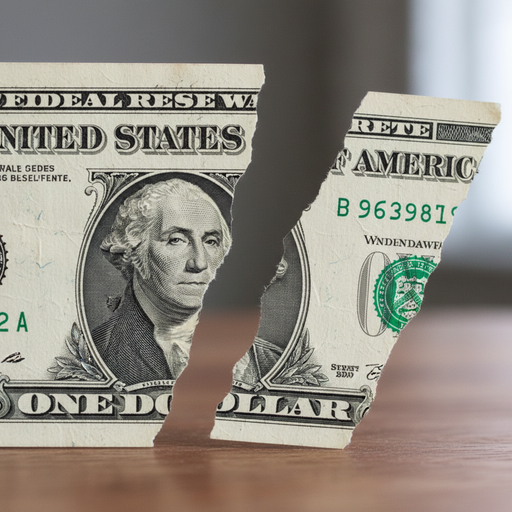

Massive losses from rug pulls in DeFi: protection strategies after the Hypervault scandal
Hypervault Scam Becomes One of the Largest Frauds in DeFi History, Stealing $3.6 Million from Investors This incident exposed critical vulnerabilities in the DeFi ecosystem and questioned the reliability of market participant protection mechanisms. Analyzing this scandal not only reveals the motives of the fraudsters but also points to specific steps investors should take to safeguard their assets.
What is Hypervault and Why Is It Dangerous
Hypervault is a form of cryptographic scam where project creators completely withdraw liquidity or drain all protocol funds, leaving investors with devalued or worthless tokens. The mechanism is quite simple: the project attracts funds through aggressive marketing and promises high returns, then developers disappear with the money.
The feature of Hypervaults in DeFi lies in the use of technical tools to mask intentions. Unverified smart contracts become an ideal cover, allowing the concealment of withdrawal functions in code that most investors do not review.
Hyperfocus on High Returns: The Hypervault Trap
Hypervault attracted users with one main lure — promising 90% annual percentage yield (APY) on HYPE tokens. Such figures should automatically raise suspicion. In a legitimate financial ecosystem, a stable 90% annual yield is impossible without significant risk or manipulation.
The project deliberately used unrealistic numbers to attract rushing investors driven by profit hunger rather than analysis. Simultaneously, Hypervault claimed to have passed audits by reputable firms — Spearbit, Pashov, and Code4rena. These claims turned out to be complete fabrications: no audits were ever conducted.
Chain of Crime: From Theft to Laundering
After withdrawing $3.6 million, the scammers immediately began transferring funds across different blockchains. Assets were moved from Hyperliquid on Ethereum to other chains and then through Tornado Cash, a crypto mixer focused on anonymity.
Tornado Cash played a crucial role in making the recovery of stolen funds nearly impossible. This platform is specifically designed to break the link between sender and receiver addresses, allowing criminals to hide the source and destination of funds. While privacy tools have legitimate uses, their abuse has become a serious problem for law enforcement.
Four Red Flags Ignored
Any attentive member of the Hypervault community could have noticed signs of an impending scam:
Lack of transparency of the team. The project developers provided minimal information about their professional experience and qualifications.
Absence of genuine audits. The project claimed to have audits but never published reports from reputable firms.
Removing traces before the finale. Days before the rug pull, Hypervault’s website and social media accounts were deleted — typical preparation for disappearance.
Social pressure instead of analysis. Early warnings from user HypingBull about false audit claims were drowned out by community optimism.
Systemic Flaws in DeFi and the Hyperliquid Ecosystem
The Hypervault incident was not isolated. The Hyperliquid ecosystem had previously experienced other serious shocks, including a $13.5 million exploit in March 2025 caused by token manipulation. These recurring incidents point to systemic issues rather than isolated cases.
Low barriers to launching DeFi projects, lack of mandatory audits, and anonymous founders create an ideal environment for scammers. The problem is compounded by most retail investors lacking the skills to analyze smart contracts independently.
Historical Context: Rug Pulls Are Not New
DeFi history is full of similar stories:
These cases set a grim precedent, but paradoxically — little has changed. Each new rug pull resembles the previous one, just with different project names.
Five Practical Rules to Spot Rug Pulls
1. Demand documented audits. Don’t rely solely on project claims. Request full reports from recognized auditors. Verify that the named firms actually conducted the audit by contacting them directly.
2. Analyze token distribution structure. What percentage of tokens is held by the team? What are the unlock conditions? If developers can withdraw all funds on day one, that’s a red flag.
3. Research the team’s history. Check social profiles, previous projects, and reputation. An anonymous team can be safe if the project demonstrates exceptional transparency in all other aspects.
4. Ignore promises of unrealistic returns. If APY exceeds 50%, it’s either a temporary bonus for early participation or a scam. Real economics cannot sustain such rates long-term.
5. Diversify and limit your position size. Never invest more than you can afford to lose entirely in one project. Risk distribution is the most reliable protection in DeFi.
How Regulators and the Ecosystem Should Respond
The rise of rug pulls has attracted the attention of government regulators. The frequent use of crypto mixers like Tornado Cash has prompted calls for tighter control over privacy tools. At the same time, there are increasing demands for mandatory audits for all DeFi projects handling user funds above a certain threshold.
However, completely eliminating anonymity contradicts the philosophy of decentralization. The solution should be balanced: mandatory team verification while maintaining user financial privacy.
Restoring Trust: A Long Road Ahead
The Hypervault rug pull is a reminder that DeFi is still in an experimental phase. The technology is revolutionary, but human intentions still govern how it is applied.
Restoring trust requires a comprehensive approach: stricter audit requirements, increased investor literacy on security issues, and social mechanisms for early detection of suspicious activity. The DeFi community must turn each scandal into a lesson rather than forget it after a few months.
Investors need to develop a habit of healthy skepticism. Rug pulls will continue as long as entry costs for scammers remain near zero. The task of every participant is to raise that entry barrier through awareness and vigilance.