

Trade
Basic
Futures
Futures
Hundreds of contracts settled in USDT or BTC
TradFi
Gold
Trade global traditional assets with USDT in one place
Options
Hot
Trade European-style vanilla options
Unified Account
Maximize your capital efficiency
Demo Trading
Futures Kickoff
Get prepared for your futures trading
Futures Events
Participate in events to win generous rewards
Demo Trading
Use virtual funds to experience risk-free trading
Earn
Launch
CandyDrop
Collect candies to earn airdrops
Launchpool
Quick staking, earn potential new tokens
HODLer Airdrop
Hold GT and get massive airdrops for free
Launchpad
Be early to the next big token project
Alpha Points
Trade on-chain assets and enjoy airdrop rewards!
Futures Points
Earn futures points and claim airdrop rewards
Investment
Simple Earn
Earn interests with idle tokens
Auto-Invest
Auto-invest on a regular basis
Dual Investment
Buy low and sell high to take profits from price fluctuations
Soft Staking
Earn rewards with flexible staking
Crypto Loan
0 Fees
Pledge one crypto to borrow another
Lending Center
One-stop lending hub
VIP Wealth Hub
Customized wealth management empowers your assets growth
Private Wealth Management
Customized asset management to grow your digital assets
Quant Fund
Top asset management team helps you profit without hassle
Staking
Stake cryptos to earn in PoS products
Smart Leverage
New
No forced liquidation before maturity, worry-free leveraged gains
GUSD Minting
Use USDT/USDC to mint GUSD for treasury-level yields

More



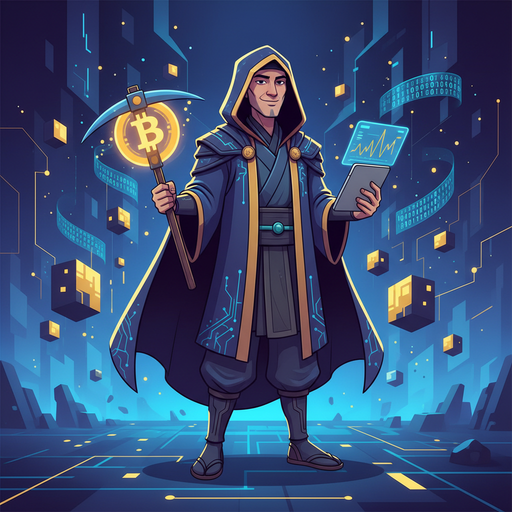


Stacks: Revolutionizing Bitcoin Through Smart Contracts and STX
Stacks is redefining what’s possible on Bitcoin by introducing smart contracts and a thriving ecosystem of decentralized applications. At the heart of this revolution is the STX token, which powers transactions, enables network governance, and uniquely allows holders to earn Bitcoin rewards. Whether you’re curious about the latest STX price ($0.25 as of February 2026), interested in how Stacks extends Bitcoin’s capabilities, or ready to explore DeFi and NFT opportunities on the network, this comprehensive guide covers everything you need to know.
The Foundation: Bitcoin-Powered Smart Contracts
Stacks operates as a Bitcoin layer-2 blockchain, fundamentally different from traditional sidechains because it settles and finalizes transactions directly on Bitcoin. Rather than replacing Bitcoin, Stacks augments it—bringing programmability, smart contracts, and decentralized applications to the world’s most secure and trusted blockchain.
Unlike earlier attempts to add smart contract functionality to Bitcoin, Stacks achieves this through innovative technical design. The STX token serves as the network’s backbone, used for paying transaction fees, executing smart contracts, and participating in governance. This approach preserves Bitcoin’s immutability and security while unlocking entirely new possibilities for developers and users.
Stacks’ core mission is straightforward: make Bitcoin functional and accessible for the modern digital economy. By leveraging Bitcoin’s proven security model, the network enables financial services, NFT collections, and innovative dApps that wouldn’t be possible on Bitcoin alone.
How Stacks Works: Technical Architecture and Innovation
The technical elegance of Stacks lies in its distinctive architecture and consensus mechanism—fundamentally different from competing smart contract platforms.
The Proof-of-Transfer (PoX) Consensus Model
At the heart of Stacks is Proof-of-Transfer, a consensus mechanism that directly ties the network’s security to Bitcoin mining. This is where Stacks stands apart:
Rather than requiring energy-intensive mining, PoX achieves consensus by leveraging Bitcoin’s existing mining infrastructure. This approach means Stacks can process transactions quickly and cheaply while remaining anchored to Bitcoin’s unmatched security.
The Clarity Programming Language
Stacks developers build smart contracts using Clarity, a language engineered specifically for safety, predictability, and auditability. Unlike Solidity (used on Ethereum), Clarity prevents many categories of unexpected code execution and makes vulnerabilities easier to spot.
This design matters significantly: financial applications and high-value NFT projects can deploy on Stacks with greater confidence. A developer can launch a decentralized exchange or tokenization platform knowing the language itself helps prevent common pitfalls and hidden bugs.
Why Choose Stacks: Bitcoin Settlement Meets DeFi Innovation
Stacks offers something no other smart contract platform can claim: true settlement on Bitcoin combined with programmability. This creates compelling advantages:
For investors and developers, this combination addresses a fundamental tension: wanting Bitcoin’s security without sacrificing the flexibility to build.
The Stacks Ecosystem: A Growing Platform for DeFi, NFTs, and More
Stacks has catalyzed a vibrant ecosystem of decentralized applications. Thousands of developers contribute monthly (tracked through GitHub activity), and new projects launch continuously across multiple categories:
DeFi Applications: Users access lending protocols, decentralized exchanges (DEXs), yield farming, and stablecoin platforms—all secured by Bitcoin.
NFT & Digital Assets: Artists and creators issue Bitcoin-backed NFTs, combining programmability with the legitimacy of Bitcoin settlement.
Social and Utility dApps: The ecosystem extends beyond finance to social networks, identity solutions, and other innovative use cases.
Spotlight on Leading Projects
Several standout protocols demonstrate Stacks’ capabilities:
This dynamic ecosystem continues integrating with other platforms, expanding opportunities for users to access Stacks-based protocols and services.
Getting STX: How to Trade on Leading Platforms
Acquiring STX is straightforward, requiring just a few steps on any major exchange.
Setting Up Your Account
Prioritizing security at this stage prevents unauthorized access and protects your capital.
Purchasing STX
Leading platforms typically offer ultra-low trading fees (as little as 0.1%), substantial liquidity, and rapid execution, making them suitable for both newcomers and experienced traders.
Moving STX to Self-Custody
For long-term holding or full control over your assets:
Transfers usually complete within minutes.
Recommended STX wallet options:
Always store your recovery seed phrase securely offline, separate from your devices.
Stacking STX: Earning Bitcoin Rewards
Stacks introduces a unique earning mechanism called Stacking (distinct from “staking”). By locking STX, you simultaneously help secure the network and receive Bitcoin payouts.
How Stacking Works
Stacking Accessibility
Participating in stacking doesn’t require running infrastructure or holding large balances. Platforms like StackingDAO pool resources, allowing smaller holders to participate with proportional rewards. Many exchanges also offer stacking services, making Bitcoin yields accessible to everyone.
Important Considerations
Protecting Your Assets: Security Best Practices and Risk Management
While Stacks inherits Bitcoin’s security properties, protecting your own assets requires diligence.
Stacks Protocol Security
Exchange and Custody Security
When holding STX on an exchange, platforms employ multiple safeguards:
Risk Mitigation for Users
The Stacks Community: Staying Connected and Informed
Stacks maintains an active, global community and regularly publishes project updates.
Community Channels:
Staying Up-to-Date:
Recent Developments: The network continues advancing through infrastructure upgrades like the Nakamoto upgrade and the sBTC launch, both designed to enhance Stacks’ Bitcoin integration and capabilities. Active deployment of new dApps and growing user participation underscore the ecosystem’s momentum.
Comparative Analysis: Stacks vs. Ethereum and Solana
Stacks’ defining advantage is clear: it’s the only platform offering genuine Bitcoin settlement combined with smart contract capabilities. Where Ethereum excels at ecosystem maturity and Solana at transaction speed, Stacks uniquely delivers Bitcoin-backed programmability and holders earn actual Bitcoin rewards.
Frequently Asked Questions
What makes Stacks different from simply using Bitcoin? Bitcoin processes transactions but cannot execute smart contracts natively. Stacks adds programmability while maintaining Bitcoin settlement—the best of both worlds.
How are Stacks and Ethereum different? Bitcoin doesn’t support smart contracts at all, while Ethereum is its own blockchain. Stacks uniquely combines Bitcoin settlement with programmability and Clarity language. Additionally, Stacks holders earn Bitcoin through stacking, unlike Ethereum’s model.
What is Proof-of-Transfer, and why does it matter? PoX allows Bitcoin miners to secure Stacks without requiring separate mining. This approach reduces energy consumption and directly ties Stacks security to Bitcoin mining—a novel consensus design in the smart contract space.
Is Stacks secure? Stacks prioritizes security through Bitcoin anchoring, regular code audits, active bug bounties, and open-source development. When trading or stacking on exchanges, additional protections include insurance funds and compliance frameworks.
Which wallets support STX? Hiro Wallet and Xverse Wallet offer native STX support across web and mobile. Hardware wallet users can employ Ledger Nano devices with compatible third-party applications.
What determines Stacking yields? Bitcoin rewards fluctuate based on Bitcoin mining difficulty, total STX locked, and Bitcoin price. Historical yields range from 6% to 12%, but rates vary over time.
The Path Forward: Bitcoin Meets Innovation
Stacks represents a paradigm shift: bringing programmability to Bitcoin without forking or replacing it. By anchoring smart contracts to Bitcoin while maintaining Bitcoin’s security properties, Stacks enables developers to build with confidence and users to participate in DeFi with Bitcoin-grade security.
Whether you’re a developer seeking to build on Bitcoin, an investor exploring Bitcoin-backed yield, or a user curious about Stacks-powered dApps, the network offers a distinctive value proposition. With STX trading near $0.25 and the ecosystem continuously expanding, now is an opportune moment to explore what Stacks brings to Bitcoin’s future.
Start your Stacks journey today—acquire STX, explore the growing ecosystem, and discover how Bitcoin and smart contracts converge in the next generation of decentralized finance.