

Trade
Basic
Futures
Futures
Hundreds of contracts settled in USDT or BTC
TradFi
Gold
Trade global traditional assets with USDT in one place
Options
Hot
Trade European-style vanilla options
Unified Account
Maximize your capital efficiency
Demo Trading
Futures Kickoff
Get prepared for your futures trading
Futures Events
Participate in events to win generous rewards
Demo Trading
Use virtual funds to experience risk-free trading
Earn
Launch
CandyDrop
Collect candies to earn airdrops
Launchpool
Quick staking, earn potential new tokens
HODLer Airdrop
Hold GT and get massive airdrops for free
Launchpad
Be early to the next big token project
Alpha Points
Trade on-chain assets and enjoy airdrop rewards!
Futures Points
Earn futures points and claim airdrop rewards
Investment
Simple Earn
Earn interests with idle tokens
Auto-Invest
Auto-invest on a regular basis
Dual Investment
Buy low and sell high to take profits from price fluctuations
Soft Staking
Earn rewards with flexible staking
Crypto Loan
0 Fees
Pledge one crypto to borrow another
Lending Center
One-stop lending hub
VIP Wealth Hub
Customized wealth management empowers your assets growth
Private Wealth Management
Customized asset management to grow your digital assets
Quant Fund
Top asset management team helps you profit without hassle
Staking
Stake cryptos to earn in PoS products
Smart Leverage
New
No forced liquidation before maturity, worry-free leveraged gains
GUSD Minting
Use USDT/USDC to mint GUSD for treasury-level yields

More


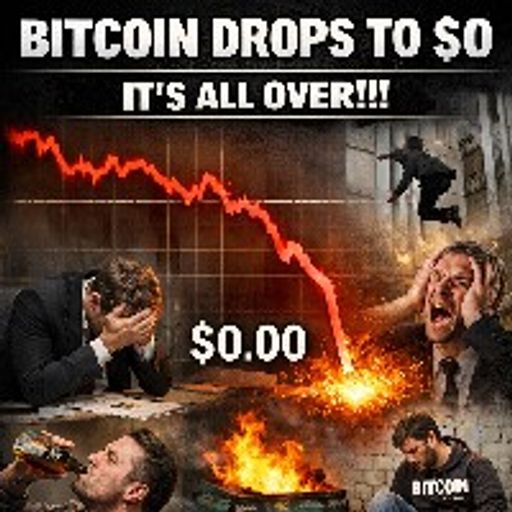




Between unrealized gains and unrealized losses, there often lies the dividing line between success and failure.
I know many small-cap traders whose understanding of candlestick patterns can be considered professional level, and they have memorized most of the technical analysis theories. But the problem is, their accounts keep fluctuating between profit and loss, like a taut string that can never stabilize.
Where is the root cause? Not in technique, but in psychology.
**When the account only has a few hundred or thousand dollars, every price fluctuation feels like a stab to the heart.** When losing, they are anxious and can't sleep; when winning, they are afraid of missing the opportunity. As a result, they fall into a vicious cycle. In this state, traders often take extreme routes: either set very loose stop-losses, frequently taking small losses; or not set stop-losses at all, turning small losses into big ones in the end.
Even more heartbreaking is that when the account shows unrealized losses, the heartbeat accelerates; when there are unrealized gains, they rush to lock in profits. This is precisely the most dangerous state in the market—you're completely driven by emotions. At this moment, you're not truly trading; you're being led by market sentiment.
Think about it. The market is fundamentally made up of people, and human greed and fear often influence prices more than rationality. Small-cap traders, due to limited capital, react very sensitively to price fluctuations and are most vulnerable to emotional swings.
**The transformation comes from a simple yet profound realization: losses are not failures, but the basic cost of trading.** From my own experience, real change begins with accepting this.
Once you truly internalize this idea, placing orders will no longer be hesitant, stop-losses will become decisive, and market fluctuations will no longer affect your mindset. Even when the account shows unrealized gains, you won't always be eager to exit quickly. This is not blind optimism, but a genuine maturity of mindset.